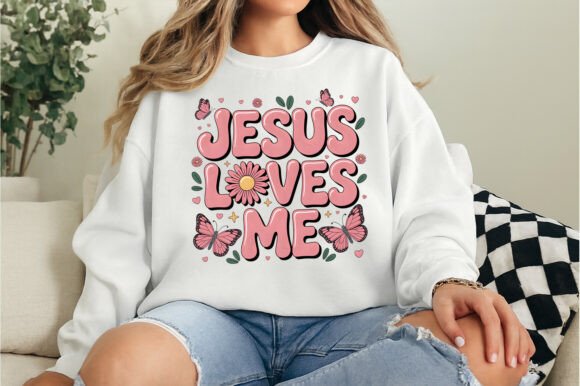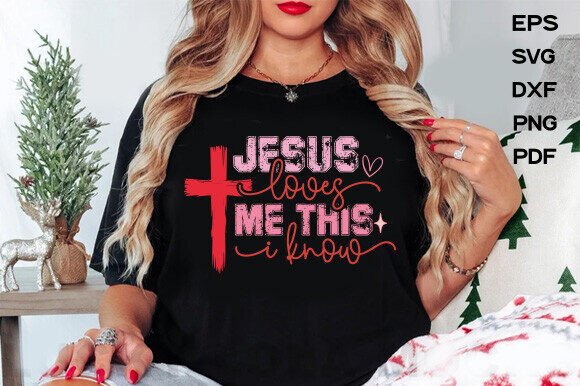
Jesus Loves Me This I Know SVG
A Design That Feels Like a Hug—Not Just a Phrase
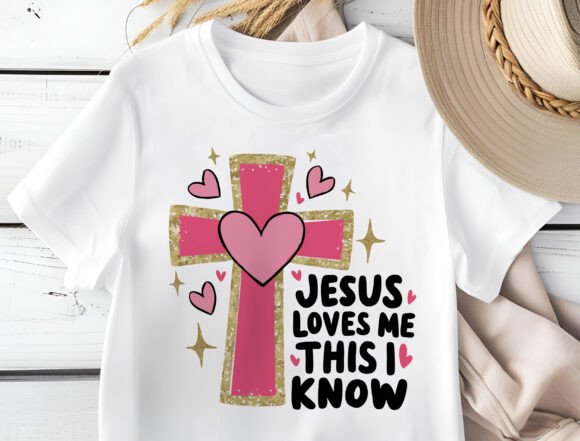
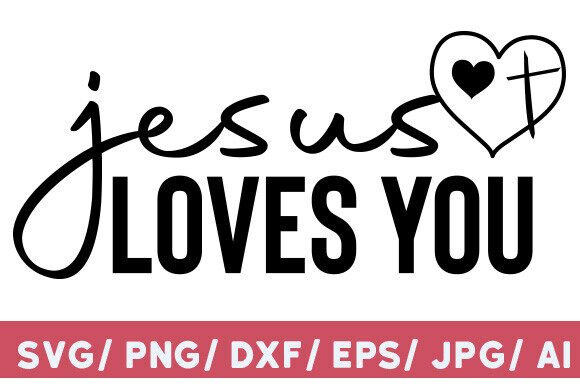
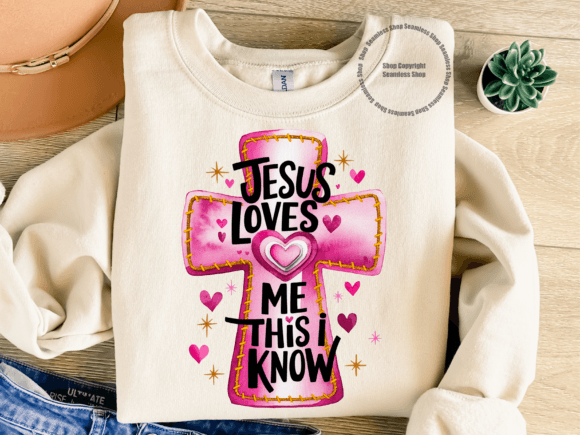
When I first opened Jesus Loves Me This I Know SVG, LOVE SVG, I didn’t just scan the outlines—I paused. There’s a quiet warmth in its rhythm: soft curves in the lettering, gentle spacing between words, and that tender emphasis on “LOVE” set apart—not shouting, but holding space. It doesn’t read like a generic T-Shirt Designs download. It reads like something you’d stitch onto a baby’s onesie before a baptism, or embroider onto a linen tea towel for a church nursery volunteer. The mood is reverent but approachable, simple but not sparse. That balance matters—especially when your finished product carries meaning, not just decoration.
Where It Shines: Real Projects, Real Reactions
Last week, I prepped this design for a custom embroidered tote bag destined for a Sunday school teacher. Cotton canvas, medium-weight stabilizer, 60–70 thread count embroidery. The result? Clean satin stitch on the “LOVE” banner, smooth fill stitches in the main phrase, and zero puckering—even across the full 4.5" width. Customers notice that polish. One buyer emailed saying her daughter recognized the phrase instantly and traced the letters with her finger before even opening the bag. That kind of connection isn’t accidental—it’s built into how the design breathes on fabric.
I’ve also tested Jesus Loves Me This I Know SVG, LOVE SVG on sweatshirt cuffs (small hoop), pillow covers (linen blend), and baby bodysuits (lightweight knit). On stable fabrics like cotton twill or midweight quilting cotton, it holds clarity without overloading stitch density. As an embroidery file, it layers well—no overlapping paths, no stray nodes—and translates cleanly into applique design workflows if you want to add fabric accents behind “LOVE.” For Etsy sellers and small shop owners, that flexibility means one digital embroidery file can support multiple product lines: patches, apparel, home goods, even printable mockups for your listings.
Fabrics & Fit: Where Caution Keeps You Honest
This isn’t a design that forgives every surface. On stretchy fabric—like jersey tees or ribbed baby caps—I recommend testing with tear-away + cutaway stabilizer combo. The letterforms are legible at 3", but below 2.5", the inner curves of “J”, “L”, and “O” start compressing. Not a dealbreaker—but worth knowing before committing to a batch of toddler hats.
Dark fabric? Yes—with high-contrast thread (ecru or white on navy, light gray on black). But avoid ultra-dense fill areas on thin fabrics like voile or lightweight chambray; they’ll show backing through. And curved surfaces? Caps work best if you reduce the height to 3.25" and adjust tension slightly—this design has generous leading space, so shrinking vertically maintains proportion better than squashing horizontally.
Also: check corners. If you’re stitching onto a pocket flap or apron edge, confirm the outermost letters don’t clip into seam allowances. A quick trace on paper helps—especially for craft fair vendors who prep dozens of items at once.
What It Adds—Beyond the Thread
Jesus Loves Me This I Know SVG, LOVE SVG elevates handmade product perception because it avoids visual noise. No clipart clutter. No forced shadows or gradients that don’t translate to stitch. That simplicity builds customer trust—especially for faith-based gifts where sincerity matters more than flash. Buyers recognize authenticity in clean execution: balanced kerning, consistent stitch direction, and thoughtful hierarchy (“LOVE” as anchor, not afterthought).
For boutique branding, it pairs effortlessly with neutral palettes—cream linens, oatmeal canvas, charcoal fleece. It doesn’t compete with your aesthetic; it deepens it. And for holiday embroidery or personalized gifts—think Easter baskets, baby showers, or pastor appreciation kits—it lands with emotional weight, not cliché.
Practical Notes Every Embroidery Designer Should Run Through
- Test first—on scrap fabric matching your final project’s weight and stretch. Even subtle texture changes affect how satin stitch lays down.
- Check thread color contrast early. What reads softly on screen may vanish on dark denim or heather gray unless you adjust thread hue or weight.
- Review stitch density in your software. If it’s dense in the “LOVE” banner, consider reducing underlay or switching to a lighter fill pattern for delicate fabrics.
- Confirm hoop size compatibility—especially if you’re using multi-position hoops or rotating frames for larger runs.
- Inspect small details manually: tight curves, serif-like terminals, and connecting strokes between “I” and “K” in “This I Know.” These define legibility at smaller scales.
- Try black-and-white mockups before finalizing. Faith-based designs rely heavily on tone—does it feel grounded or flat in grayscale?
- Compare light/dark backgrounds side-by-side. Some versions of this design include optional shadow layers—only use them if your fabric supports the extra stitch count.
- Use proper stabilizer—cutaway for knits, tear-away for wovens, and fusible for lightweight linens. Skipping this step undermines the design’s natural grace.
- Verify licensing before selling finished items or reselling the digital embroidery file. Commercial embroidery rights aren’t automatic—even for Christian-themed designs.
Final Thought: It’s Not Just a Phrase—It’s a Promise Stitched Right
Jesus Loves Me This I Know SVG, LOVE SVG works because it respects both the craft and the context. It doesn’t try to be everything—it’s focused, intentional, and quietly confident. Whether you’re a solo crafter stitching one keepsake pillow cover or a small shop owner scaling custom apparel for a church fundraiser, this machine embroidery design delivers consistency without compromise. It fits naturally into real workflows, responds well to thoughtful execution, and earns its place on garments and gifts that carry meaning far beyond the thread count. That’s not just good design—that’s responsible design.