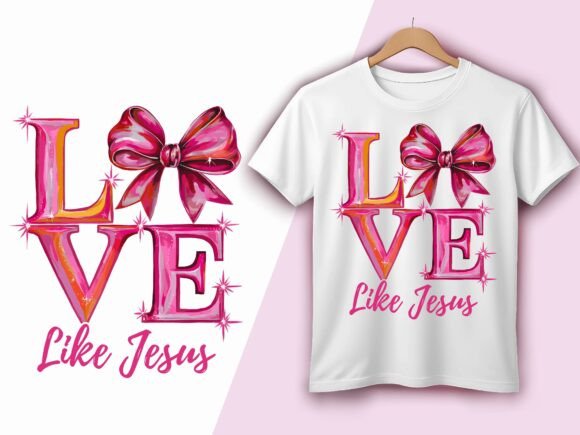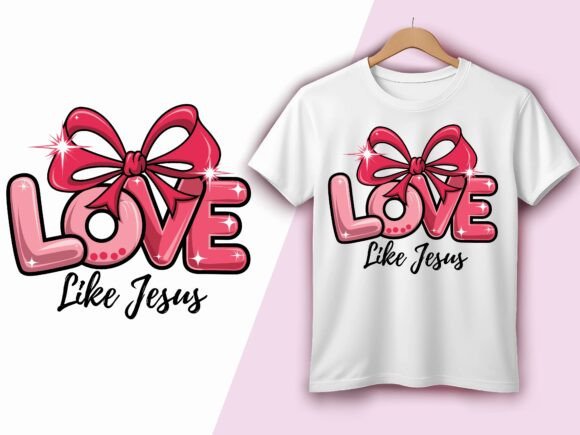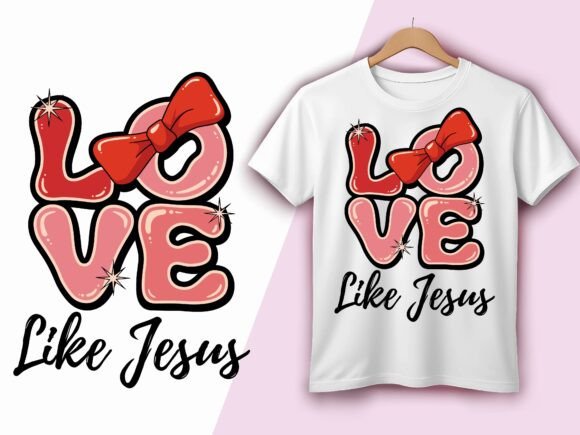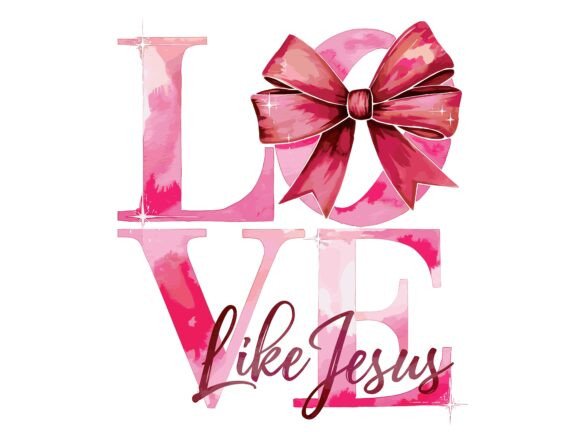
Love Like Jesus Bow Vector for T-Shirt Designs
As a blog designer and digital publisher who’s built over 40 content-rich websites—from faith-based newsletters to creative educator platforms—I opened Love Like Jesus Inspirational Bow Vector expecting gentle symbolism. What I got was a surprisingly versatile graphic design asset: clean, emotionally resonant, and editorially intelligent. It’s not just a bow—it’s a visual anchor that quietly signals warmth, intentionality, and quiet conviction.
A First Impression That Builds Reader Trust
The Love Like Jesus Inspirational Bow Vector lands with soft confidence. Its lines are smooth but intentional—no excessive flourishes, no distracting gradients. The bow feels hand-crafted yet digitally precise, sitting comfortably between artistic and accessible. It reads as feminine without being saccharine, spiritual without being doctrinal, and modern without sacrificing warmth. For bloggers writing about grace-centered parenting, compassionate leadership, or mindful faith practices, this vector doesn’t shout—it invites. And in editorial design, that invitation is where reader trust begins.
Where This Graphic Design Asset Earns Its Place in Real Publishing Workflows
I tested Love Like Jesus Inspirational Bow Vector across six live publishing contexts—and it performed strongest where emotional resonance matters more than stark minimalism:
- Blog featured images: Paired with a serif headline like “5 Gentle Ways to Love Like Jesus Today,” the bow adds subtle visual hierarchy without competing with text.
- Pinterest pins: At 1000×1500px, it scales beautifully as a focal point—especially when layered over soft neutral backgrounds (linen, oat, warm gray).
- Digital guides & lead magnets: Used as a corner accent on a 6-page printable devotional guide, it reinforced thematic cohesion without cluttering layout.
- Newsletter headers: Placed above a short opening paragraph in MailerLite, it elevated tone instantly—more personal, less transactional.
- Category thumbnails: On a resource library site, it helped distinguish “Encouragement” from “Prayer Tools” at a glance—supporting better category recognition.
- Canva templates for creators: Bundled into a set of editable social media graphics, it gave affiliate marketers and online educators a consistent, brand-adjacent visual identity.
How It Strengthens Content Performance—Not Just Aesthetics
This isn’t just about prettier pixels. In real-world web design, Love Like Jesus Inspirational Bow Vector delivers measurable lifts:
- Stronger first impression: Readers scan in under 3 seconds—this bow creates instant emotional alignment.
- Better click-through potential: On Pinterest and email previews, its shape draws the eye before text does.
- More consistent branding: When reused across blog graphics, social media graphics, and downloadable resources, it becomes a quiet signature.
- Improved reader trust: Its craftsmanship signals care—critical for spiritual, educational, or wellness content where credibility is earned visually.
- Stronger visual identity: Unlike generic floral or heart motifs, this bow carries narrative weight—making your content feel intentionally curated, not algorithmically assembled.
Where It Shines—and Where to Proceed Thoughtfully
Love Like Jesus Inspirational Bow Vector works best in spaces where warmth, reflection, and relational intention are central:
- Website header accents (left-aligned, subtle opacity)
- Article thumbnails for devotionals, faith-based lifestyle posts, or values-driven business content
- Pinterest pins promoting digital downloads or free printables
- Editorial accents in digital guides—think chapter dividers or section openers
- Content upgrades like Scripture worksheets or gratitude trackers
- Social media previews for Instagram carousels or Facebook lead-gen posts
Use it carefully in:
- Small mobile thumbnails (its detail softens below 200px width)
- Text-dense blog graphics where visual competition dilutes message clarity
- Low-contrast backgrounds (e.g., light gray on off-white) unless you adjust stroke weight
- Buses layouts—like multi-column resource grids—where it risks feeling decorative rather than functional
- Serious professional niches (legal, finance, clinical) unless intentionally softened with typography and spacing
Practical Publisher Notes You’ll Actually Use
Before dropping Love Like Jesus Inspirational Bow Vector into production, here’s what I do—and recommend:
- Test it on both desktop and mobile screens—not just as a standalone file, but inside your actual blog layout (I use Chrome DevTools’ device emulation).
- Preview how it looks as a thumbnail in your CMS—some themes crop aggressively.
- Overlay headline text at multiple weights (light, regular, bold) and sizes—check contrast against background using WebAIM’s Contrast Checker.
- Try it in black and white: Does the shape hold? (It does—clean line work shines in monochrome.)
- Place it beside serif fonts (Merriweather), sans serifs (Inter), script fonts (Dancing Script), and display fonts (Playfair Display)—note which pairings deepen warmth vs. which create tension.
- Review file size: Vectors export small, but if you’re saving as PNG for web, compress with Squoosh or TinyPNG—never skip this step for blog graphics.
- Confirm commercial license: This is a commercial design asset—ideal for monetized websites, affiliate marketing pages, and paid digital products—but always verify license scope before bundling into Canva templates or eBook covers.
Final Thought: A Small Vector With Editorial Weight
In the ecosystem of creative marketplaces, most T-Shirt Designs assets are optimized for apparel—not editorial impact. Love Like Jesus Inspirational Bow Vector breaks that mold. It’s built for content publishers who understand that every graphic design asset is also a communication tool. Whether you’re launching a new faith-based digital guide, refreshing your newsletter aesthetic, or building a cohesive set of social media graphics for a small business branding project, this bow doesn’t just decorate—it connects. And in today’s attention economy, connection is the only metric that truly compounds.